Podium Lecture
Moderators Tom Harte and Peter Devane
Abstract Presentations: Each lasting 4 minutes with 1 min questions
12:20 – 12:26: Kieran O'Sullivan AI assisted video analysis of the Trendelenburg Test: A Feasibility Study
12:26 – 12:32: Bhavna Gami Deep Learning Based Automated Identification of Wrist and Finger Arthroplasty Implants from Radiographs
12:32 – 12:38: Vineet Bata Automated Identification & Analysis of Orthopaedic Implants - Project Update
12:38 – 12:44: Simon Palmer Diagnostic Performance of a Deep Learning Model for Fracture Detection on Radiographs with Gradient-Weighted Class Activation Mapping (Grad-CAM): A Statistical and Regional Validation Study
12:44 – 12:50: Bilal Rayes Machine Learning Derived Knee Width Discrepancy and Its Association with Knee Injury: A Cross-Sectional Study of 62,155 UK Biobank Participants
12:50 – 12:56: Euan O Mathuna A Retrospective Cohort Study Assessing the Ability of Artificial Intelligence to Assess Orthopaedic Hip Fracture Referrals and Imaging
12:56 – 13:02: Jonathan Gibson Assessing the Utility and Accuracy of Large Language Models in Systematic Review Screening
13:02 – 13:08: Amr Selim Predicting patient-reported outcome measures and evaluating the impact of pre-operative comorbidities on outcomes after hip and knee arthroplasty using supervised machine learning
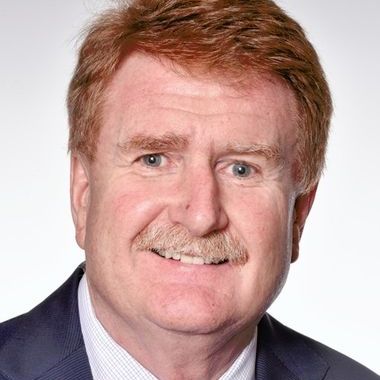
A graduate of Otago University who then completed specialist training in Orthopaedics in New Zealand and postgraduate training as an Arthroplasty Fellow in London, Ontario, Canada. He is a Senior Lecturer in Orthopaedic Surgery at the Wellington School of Medicine and is a Consultant Surgeon at Wellington and Wakefield Hospitals.
Peter’s special interest is in primary and revision surgery for Total Hip and Knee Joint Replacement Trauma Reconstruction. Mr Devane is nationally and internationally recognised for his research involving modes of failure of Total Hip Replacement and Polyethylene Wear.
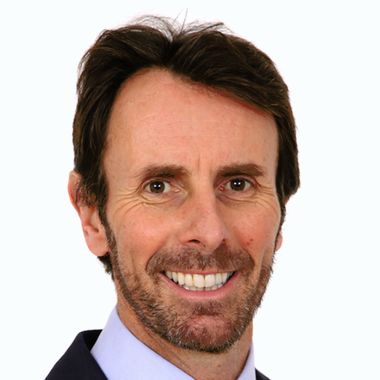
Mr. Palmer was a graduate of Imperial College science Technology and Medicine many years ago. He completed his medical education at Oxford , Bath and Sydney. He has been an orthopedic consultant for 22 years at the University Hospitals Sussex NHS Foundation Trust. He is also a Senior Clinical Lecturer and Tutor at the Brighton and Sussex Medical School. He has always had an interest in computing and programming particularly in Python, Swift UI, JavaScript, HTML, CSS. He has always had a problem-solving approach to programming using algorithms to support and solve the problems of busy clinicians in the NHS. He has authored a number of medical applications for iPhone and the web, including tools to support peri-operative weight management, pain classification in orthopaedic patients, DVT risk in the fracture clinic, preoperative prosthesis size prediction and functional outcome scoring. More recently he has developed an interest in computer vision and recent projects include using AI to support diagnosis on radiographs of fractures , knee arthritis classification and achilles tendon rupture. He is a keen kite-surfer, snowboarder and triathlete.
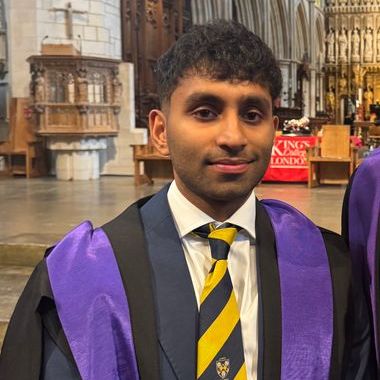
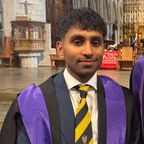
Bilal is an Academic Foundation Doctor currently based at Maidstone and Tunbridge Wells NHS Trust. He graduated from King’s College London, where his interest in musculoskeletal medicine and clinical research first developed. Alongside his clinical training he is an Honorary Research Fellow at the Musculoskeletal Research Unit at the University of Bristol, and a Member of the Royal College of Surgeons England.
Bilal’s academic work sits at the intersection of orthopaedics, epidemiology, and artificial intelligence. His research focuses on large-scale data analysis to understand the mechanisms underlying musculoskeletal disease and he is passionate about translating complex data insights into meaningful clinical impact.
Beyond academia, Bilal is actively involved in medical education and a keen sportsman, he continues to play for Guy’s Hospital Rugby Club, the oldest rugby club in the world.