Speakers
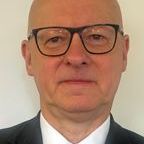
Paul Banaszkiewicz
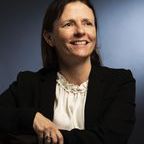
Clare McNaught
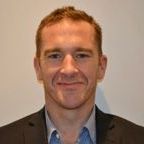
James Tomlinson
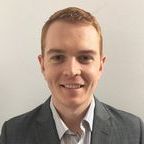
Luke Farrow
Emily Baird
BOA Session
The BOA Education & Careers session provides an overview of how orthopaedic training and education are evolving with the changing face of orthopaedic practice.
It opens with an exploration of communication styles in a multi-generational workforce, focusing on effective team interaction, social media use and maintaining professional boundaries.
The second talk examines how digital technologies and AI are reshaping training—covering opportunities for learning, assessment and productivity, alongside governance, ethics and safe implementation.
The final talk considers the changing face of Training Programme Director practice and modern orthopaedic training, addressing contemporary educational leadership, quality assurance, trainee support and how training systems may need to adapt to workforce and service pressures.
Chair: Paul Banaszkiewicz and Ajay Malvia
Agenda:
13:30 - 14:00 Clare McNaught, President, Royal College of Surgeons Edinburgh
Communication styles in a multi-generational workforce, including social media use and professional boundaries
14:00 - 14:30 Luke Farrow, Arthroplasty Fellow at Northumbria Healthcare Foundation Trust, Honorary Senior Clinical Lecturer, University of Aberdeen
Digital technologies and AI in training
14:30 - 15:00 Emily Baird, Paediatric Orthopaedic Consultant, Royal Hospital for Children and Young People Edinburgh, Training Programme Director Southeast Scotland and James Tomlinson, Consultant Spinal Surgeon, Sheffield Teaching Hospitals, Associate Medical Director, Education, BOTA trainer of the year 2025
The changing face of TPD practice and orthopaedic training
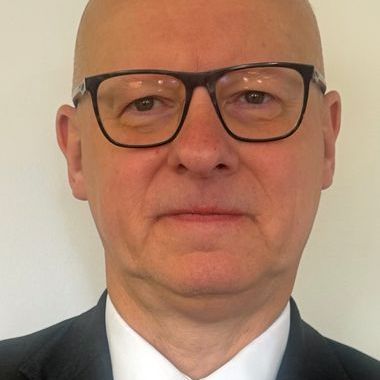
Paul Banaszkiewicz is a Consultant Trauma and Orthopaedic Surgeon at the Queen Elizabeth Hospital, Gateshead, specialising in hip and knee arthroplasty. He graduated from University of Glasgow, completed basic surgical training in the Merseyside Deanery, and undertook specialist registrar training on the North East of Scotland training programme.
He is currently a Trustee of the British Orthopaedic Association (BOA) and Chair of the BOA Education and Careers (EdCar) Committee, leading initiatives focused on professional development, mentoring, workforce support, and equity of opportunity across orthopaedics. He has helped develop national educational programmes including the BOA–BODS Clinical Directors course, UKITE, Ortho Update and Extended Clinical Team initiatives at BOA Congress.
Paul is Editor of the Journal of Trauma and Orthopaedics (JTO) and co-leads the TENDON study evaluating musculoskeletal education within UK medical schools. He has a particular interest in differential attainment, widening participation, and improving access to mentorship and career development within surgical training.
He is a Fellow of the Higher Education Academy, Fellow of the Academy of Medical Educators, and holds a Master’s degree in Medical Education from Newcastle University. He also serves as an Advisory Appointments Committee (AAC) member and Quality Assurance Assessor for the RCSEng.
As Visiting Professor at Northumbria University, Paul helps bridge academic research with practical clinical orthopaedic practice. He has supported the BOA Futures Leadership Programme, BOA Travelling Fellowships, and the educational activities of the British Orthopaedic Trainees Association (BOTA). He is also lead editor and author of three internationally recognised FRCS (Tr & Orth) textbooks, which have received several BMA Book Awards.
Paul has undertaken humanitarian orthopaedic work in Northern Iraq and remains committed to international collaboration, diversity, and inclusion within orthopaedics. Outside work, he enjoys running, skiing, gardening, and supporting Burnley F.C..
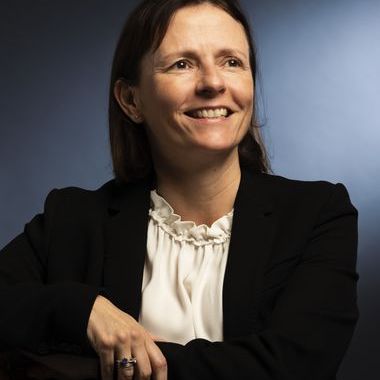
Dr Clare McNaught is President of the Royal College of Surgeons of Edinburgh and a Consultant General and Colorectal Surgeon at Harrogate District General Hospital.
Clare graduated from Aberdeen University in 1996 and completed her higher surgical training in Yorkshire. During this time, she was awarded an MD for her research into the impact of probiotics on gut function and aspects of enhanced recovery after surgery. She was appointed as a Consultant Surgeon in 2008. Her clinical interests include colorectal cancer, IBD and the impact of frailty on surgical outcomes. She has always been passionate about training and supporting the next generation of surgeons through her roles as educational supervisor, research mentor and MRCS examiner. In 2014, Clare founded the Younger Fellows' Committee to support surgeons in their transition from Registrar to Consultant practice. She is also the past Editor of Surgeons' News. Clare was elected to RCSEd Council in 2014, was Honorary Secretary from 2020-2022 and Vice President from 2022-2025. She was elected to the office of President in 2025, the first woman to hold this role since 1505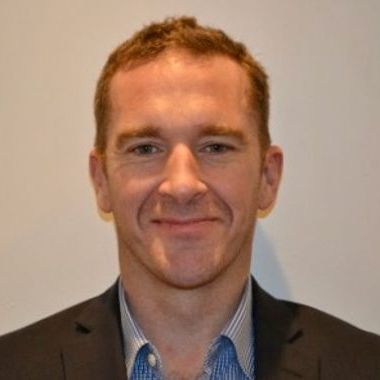
James is a Consultant Spinal Surgeon and Associate Medical Director for Education in Sheffield UK. He is a member of the NOTSS faculty has taught nationally and internationally on surgical non-technical skills and human factors and co-led a review of the NOTSS curriculum.
He also has a research interest in surgeon performance and non-technical skills.
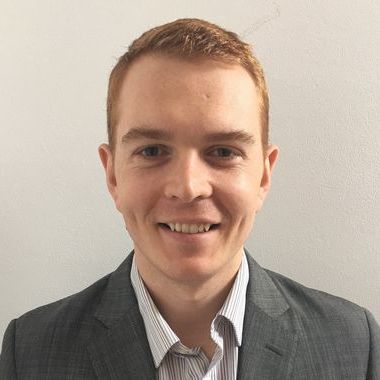
Mr Luke Farrow is a Clinical Academic and Honorary Senior Orthopaedic Trainee based in Aberdeen, Scotland. He is currently taking time out of his clinical training to undertake a CSO Funded Clinical Academic Fellowship exploring how to make improvements in the clinical care pathway for those awaiting hip and knee replacement through the use of artificial intelligence techniques.
He has particular research interests in the use of routinely collected healthcare information, including novel data sources and clinical application of artificial intelligence methods to Trauma and Orthopaedics. He is the current chair of the Scottish Hip Fracture Audit Quality Improvement and Research Sub-Group and a member of the steering committee for the Bone and Joint Infection Registry.
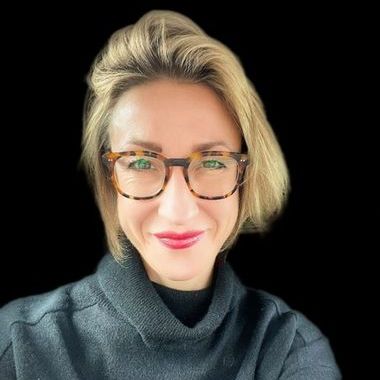
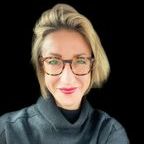
Emily Baird is a Consultant Paediatric Orthopaedic Surgeon at the Royal Hospital for Children and Young People in Edinburgh, with an interest in paediatric trauma, and congenital conditions of the hip and foot. She trained primarily in the West of Scotland with Fellowships in Edinburgh and Toronto.
Emily is passionate about increasing diversity and inclusion in the workforce and broadening access to orthopaedics through mentorship and medical education. She is heavily involved in providing medical student education as an Undergraduate Lead, and Post Graduate Education as Training Programme Director for Orthopaedic Trainees in South East Scotland and examining for FRCS Tr & Orth.
She is the Chair of the Education Committee of The British Society for Children’s Orthopaedic Surgery, a Fellow of the Faculty of Surgical Trainers, Faculty Member for Non-Technical Skills for Surgeons and Tutor for the MSc in Patient Safety and Human Factors.
She lives in Edinburgh with her husband and two young boys, and likes to dance and run!
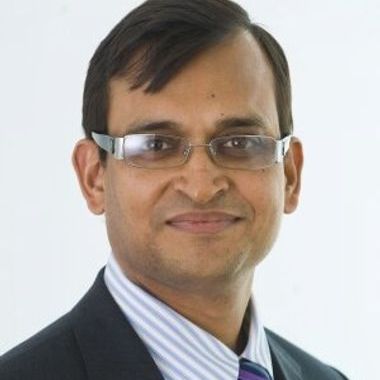
Ajay Malviya is a Consultant Orthopaedic Surgeon at Northumbria Healthcare NHS Foundation Trust in the North-East of England and at Nuffield Health Cambridge Hospital. He trained in the Northern Deanery and has done specialist fellowships in hip preservation and joint replacement surgery in Cambridge, London and Switzerland.
He specialises in periacetabular osteotomy for hip dysplasia using a minimally invasive approach and hip arthroscopy for femoroacetabular impingement. In his routine practice, he deals with sports injuries of the hip and has published and presented widely on the results of hip arthroscopy and pelvic osteotomy in athletes and the general population.
He has completed a PhD on the role of hip arthroscopy in femoroacetabular impingement. Preservation of the hip joint is his principal philosophy but he has a wide experience of joint replacement surgery catering to the young population, if necessary.
In his routine practice, he does more than 150 hip and knee replacements annually for all age groups. He also performs around 150 hip arthroscopies and more than 75 pelvic osteotomies for hip dysplasia annually; making him the highest volume hip preservation surgeon in the North East and amongst the top in the country.