
Consultant Advisory Hub
Being a consultant
Being a consultant requires more than clinical expertise alone. Consultants have responsibility for delivering high-quality patient care, but their role also depends on appropriate facilities, skilled multidisciplinary teams, effective systems and access to specialist services, alongside sufficient time and resources to fulfil their clinical, educational, leadership and professional responsibilities. Care should be safe, effective, timely, patient-centered and delivered by appropriately trained and supported professionals.
Consultants have an important role in maintaining these standards and identifying circumstances where deficiencies in staffing, facilities, systems, or resources may compromise the quality or safety of patient care. Their role also extends beyond individual patient care to clinical leadership, working effectively with colleagues and managers, education and training, quality improvement, research and service development.
This Consultant Advisory Hub
The purpose of this BOA Consultant Advisory Hub is to help consultants do things well by setting out what should reasonably be expected of a consultant trauma and orthopaedic service and identifying the support required to deliver high-quality patient care.
Developments in surgical techniques, the accelerating use of innovative technologies in the theatre, clinics and the office, the importance of perioperative care, and the changing needs and expectations of patients have transformed clinical pathways. Major trauma networks, surgical hubs and elective care ‘closer to home’ are changing where and how services are delivered.
The standards and guidance underpinning contemporary practice continue to evolve. Requirements and recommendations are now produced and regularly updated by the BOA, professional regulators, NICE, NHS bodies, Royal Colleges, Specialist Societies and other authoritative organisations.
The Hub therefore does not seek to reproduce detailed standards or guidance that are more appropriately maintained elsewhere. Instead, it provides practical information for consultants, brings together relevant BOA advice and resources, and signposts to current standards and specialist guidance where appropriate, including BOA Standards (BOASts) and Specialty Standards (SpecS).
Supporting Consultants Throughout Their Careers
The Hub is intended to support both new and established trauma and orthopaedic consultants in understanding:
-
the professional standards and responsibilities expected of a consultant;
-
the facilities, workforce, systems and support required to deliver high-quality care;
-
their responsibilities in relation to patient safety, clinical governance, performance and quality improvement;
-
their roles as leaders, colleagues, educators and contributors to research and service development; and where to find authoritative current standards, BOA resources and specialist guidance relevant to their practice.
It may also provide a useful reference for those involved in the leadership, management, planning, and development of trauma and orthopaedic services.
Help us - the BOA Consultant Advisory Hub as a ‘living’ resource
This Consultant Advisory Hub will continue to develop in response to the needs of trauma and orthopaedic consultants. The BOA welcomes feedback from consultants on the content of the Hub, including suggestions for additional information, practical advice and areas where further BOA guidance or resources would be useful.
What do you need from the BOA and the Consultant Advisory Hub to support you in your role as a consultant? Please let us know by emailing [email protected].

Working Environment
This section provides practical guidance on the structures, facilities and support consultants should reasonably expect, and the role consultants can play in identifying and addressing deficiencies that affect patient care or their ability to work effectively.

Human Factors
This section considers how consultants can support effective teams and positive working relationships, provide clinical leadership, recognise the impact of systems and working conditions on performance, and promote wellbeing and a supportive workplace culture.

Performance
This section provides practical guidance on measuring and interpreting outcomes, participating in audit and quality improvement, preparing for appraisal, and using performance information constructively as part of safe, effective consultant practice.

Education and Training
This section provides practical guidance on being an effective trainer and understanding contemporary T&O training, including capability-based progression, supervision, assessment and the consultant's responsibilities within the wider training programme.
Technology
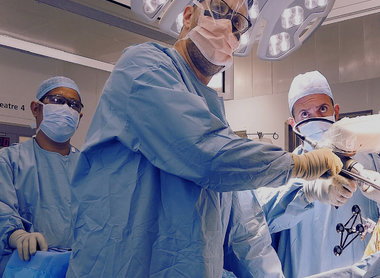
This section considers some of the technologies and innovations affecting contemporary T&O practice, and the consultant's role in their safe, effective and responsible adoption.

Research
This section provides guidance on consultants' research responsibilities and brings together research opportunities, resources and networks that can help consultants become involved in and support research throughout their careers.
NHS Processes and Policies
Facts and Figures