
BOA Guidance Documents
A number of guidance documents on specific, topical professional practice issues can be found below. BOA Standards for Trauma (BOASts) are available here.

Standard operating procedure for peri-operative infiltration of hip and knee replacements
The Chief Coroner on 2nd September 2024 published ‘Rachel Gibson: Prevention of Future Deaths Report’ (Ref, 2024-4076).

Robotics in orthopaedics
New guidance documents to provide a practical tool kit for hospitals when setting up a new MSK robotic surgical service.
Injectable Orthobiologic Treatments for Osteoarthritis
1 March 2022: The BOA has written this paper to help people who are thinking about trying orthobiologic treatments.
Musculoskeletal Corticosteroid Guidance
Management of patients with musculoskeletal and rheumatic conditions who: are on corticosteroids, require initiation of oral/IV corticosteroids, require a corticosteroid injection.
Diabetic Foot Guidance
The aim of this document is to provide a framework for the operational delivery of hospital Trust based diabetic foot services, ensuring that patients with acute diabetic foot disease receive the same high quality of care irrespective of where they present.
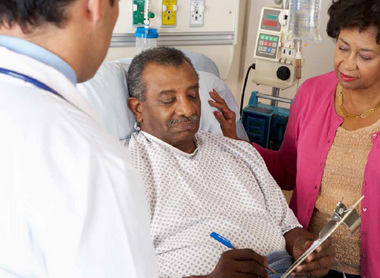
BOA Consent Guidance
This short note provides some context on Montgomery v Lanarkshire Health Board (2015) and some straightforward advice for best practice in consent following the case. It is not exhaustive and we recommend attendance at consent themed sessions at the Belfast Congress for further information.

Best practice for management of Distal Radial Fractures (DRFs)
The British Orthopaedic Association (BOA) and the British Society for Surgery of the Hand (BSSH) have collaborated to commission a committee to produce best practice guidelines on the management of distal radial fractures (DRFs).

BOA recommendations on pooled waiting lists
Continuity of care forms an important part of medical care and is highly valued by patients and surgeons alike. The therapeutic relationship of one patient with their consultant throughout their course of treatment should remain the norm to which we aspire.
Blast and Ballistic Injury: Principles of Management
The aim of this short guide is to outline the principles in the management of blast and ballistic injuries. Whilst once the domain of the military, with the global rise in terrorism, it is likely that more civilian surgeons will be exposed to these wounds.

GIRFT Implementation Guidance
The GIRFT programme in T&O has been adopted by the Department of Health and NHS England. The report identified both variation and scope for quality improvement in terms of procedure volumes, implant selection and infection rates.

FSSA Trauma & Orthopaedics Prioritisation
Prioritisation should always include a consideration of both the disease specific factors and the general well-being of the patient.